Listen
Sound Journey
Albums & Releases

Wahre Liebe [Der buddhistische Weg, mit sich selbst und anderen glücklich zu leben (Gekürzte Lesefassung)]
2017



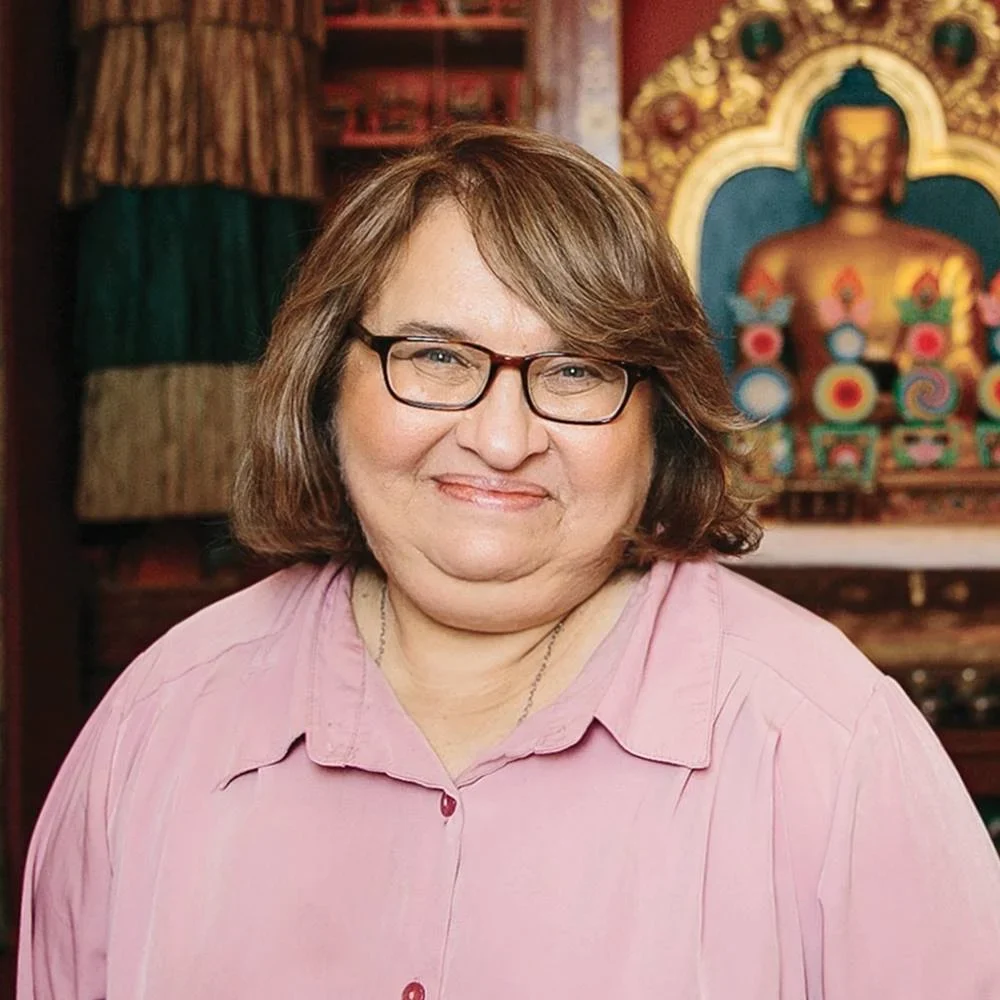


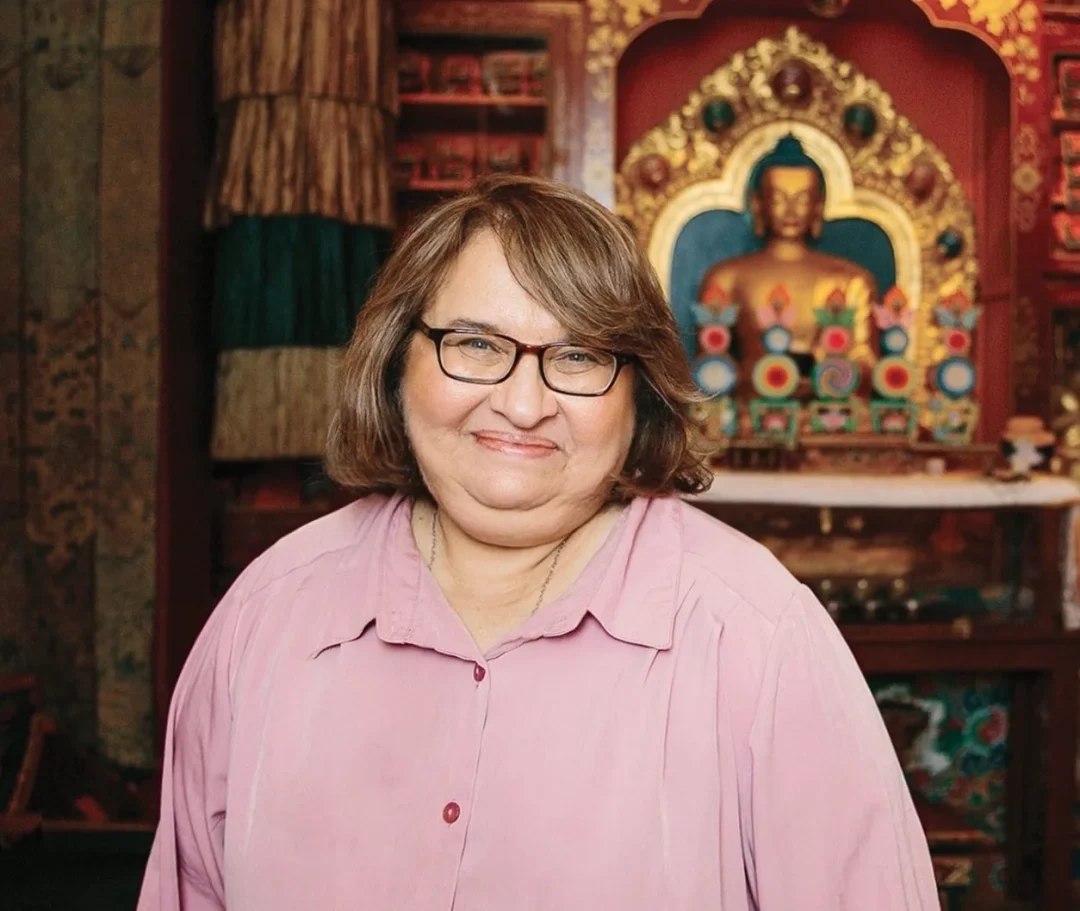




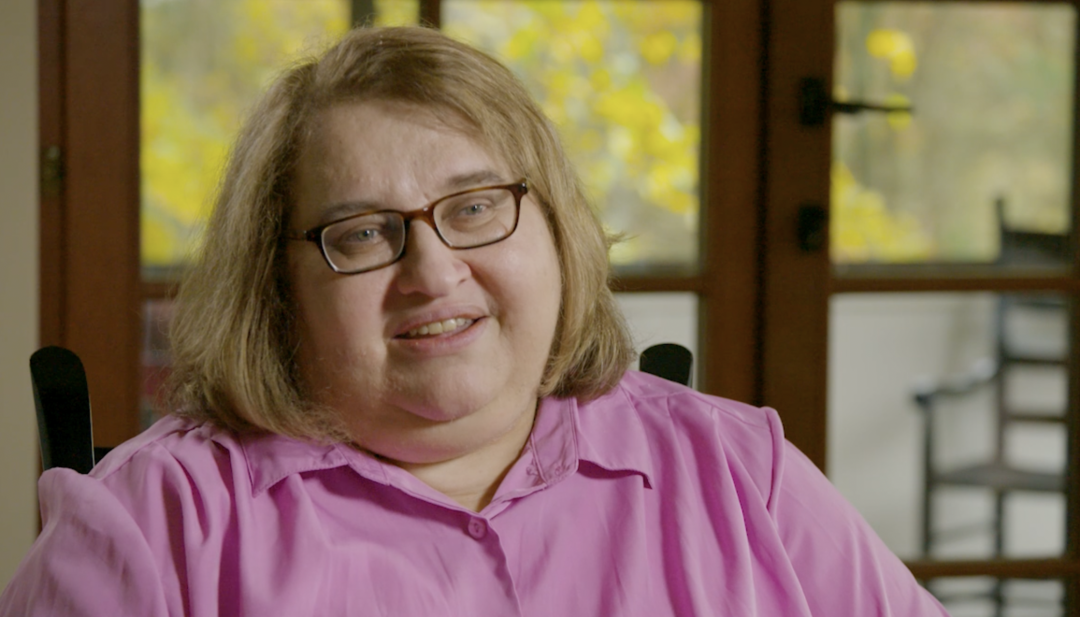

Meditation Teacher · New York City, United States
Sharon Salzberg was born in New York City and grew up in a Jewish family. Her early life was marked by a profound sense of disconnection and loss, particularly following the death of her mother when she was just a teenager. This experience led her to seek solace and understanding through various spiritual practices. After graduating from high school, she traveled to India, where she encountered meditation for the first time. This journey would profoundly shape her life and career, as she immersed herself in the teachings of Buddhism and the practice of mindfulness.
Sharon Salzberg was born in New York City and grew up in a Jewish family. Her early life was marked by a profound sense of disconnection and loss, particularly following the death of her mother when she was just a teenager. This experience led her to seek solace and understanding through various spiritual practices. After graduating from high school, she traveled to India, where she encountered meditation for the first time. This journey would profoundly shape her life and career, as she immersed herself in the teachings of Buddhism and the practice of mindfulness.
As a meditation teacher, Sharon Salzberg has dedicated her life to sharing the transformative power of meditation with others. She co-founded the Insight Meditation Society in Barre, Massachusetts, in 1975, which has become a pivotal center for mindfulness and meditation practice in the West. Salzberg is also a New York Times bestselling author, with notable works such as "Lovingkindness: The Revolutionary Art of Happiness" and "Real Happiness: The Power of Meditation." Her teachings emphasize the importance of compassion, mindfulness, and loving-kindness, making meditation accessible to a wide audience. Through workshops, retreats, and online courses, she has inspired countless individuals to incorporate meditation into their daily lives.
Sharon's teachings are deeply rooted in the Theravada Buddhist tradition, particularly influenced by her studies with prominent teachers such as Mahasi Sayadaw and Dipa Ma. These figures have shaped her understanding of meditation and the importance of cultivating a compassionate heart. Her approach integrates traditional Buddhist practices with contemporary insights, making her teachings relevant to modern practitioners. Salzberg's ability to bridge the gap between ancient wisdom and contemporary life has made her a respected voice in the field of mindfulness and meditation.
Today, Sharon Salzberg's work is more important than ever as the world grapples with increasing stress and disconnection. Her emphasis on mindfulness and loving-kindness offers practical tools for individuals seeking to navigate the complexities of modern life. By fostering a sense of community and connection through her teachings, Salzberg encourages people to cultivate inner peace and compassion, not only for themselves but also for others. Her influence continues to resonate, as she remains a leading figure in the global meditation movement, inspiring new generations to embrace the practice of mindfulness and the values of compassion and empathy.
Sharon Salzberg is a foundational figure in bringing Theravada Buddhist meditation practice to the West, with over 50 years of continuous practice and teaching. Born in New York City in 1952, she experienced profound loss in her teenage years—the death of her mother—which catalyzed her spiritual seeking and eventual journey to India, where she first encountered meditation. In 1975, she co-founded the Insight Meditation Society in Barre, Massachusetts, alongside Jack Kornfield and Joseph Goldstein, an institution that became the institutional backbone of American vipassana practice. She is a New York Times bestselling author whose books like "Lovingkindness: The Revolutionary Art of Happiness" and "Real Happiness: The Power of Meditation" have made Buddhist meditation philosophy accessible to secular practitioners who might otherwise feel alienated by religious language. Her distinctive contribution is a bridge between ancient Theravada wisdom—learned directly from teachers like Mahasi Sayadaw and the legendary Dipa Ma—and contemporary life, making her a trusted voice for people navigating stress, disconnection, and the search for both inner peace and genuine compassion toward others.
Sharon Salzberg's teachings are rooted in the Theravada Buddhist tradition, the oldest surviving school of Buddhism, which emphasizes the historical Buddha's original teachings and the cultivation of wisdom, ethical conduct, and meditation. Her lineage was shaped by direct study with two towering figures: Mahasi Sayadaw, the Burmese master known for reviving intensive vipassana (insight meditation) practice in the modern era, and Dipa Ma, a Bengali teacher whose quiet mastery of loving-kindness and concentration practices became legendary among Western practitioners. This Theravada lineage emphasizes the development of insight into the nature of mind and reality through sustained mindfulness practice, as opposed to devotional or tantric approaches found in Tibetan Buddhism. Salzberg's training was intensive—she spent years in meditation retreats in India and Burma during the 1970s, absorbing practices that had been carefully transmitted for centuries. Her approach integrates the rigorous contemplative discipline of Theravada with the emotional accessibility of loving-kindness (metta) practice, making the tradition feel relevant rather than historical to contemporary Western seekers.
For someone entirely new to meditation and Buddhist thought, "Real Happiness: The Power of Meditation" is the most natural entry point—it introduces loving-kindness meditation and mindfulness practice without requiring religious belief or prior experience, and it's structured for someone who wants to begin a daily practice immediately. "Lovingkindness: The Revolutionary Art of Happiness" goes deeper into the philosophy and lived experience behind loving-kindness meditation, explaining why cultivating compassion toward oneself and others is not sentimental but central to psychological freedom. Newcomers can also explore her recent album "Infinite Flow" (2025), a 35-track collection released on Spotify that makes her teachings and guided practices available in audio form, ideal for commutes or establishing a seated practice. The live workshops archived on Spotify—such as the "Live Workshop in Stockbridge, MA" (2013) and "Live Workshop in Phoenicia, NY" (2013)—offer recordings of her teaching voice, tone, and real-time response to student questions, giving a sense of what studying with her feels like. Her website (sharonsalzberg.com) and YouTube channel (sharonsalzbergvideo) provide free guided meditations and talks, allowing exploration before committing to books or formal retreat study.
While many Western meditation teachers offer mindfulness instruction, Salzberg's singular insistence on loving-kindness as central—not supplemental—to spiritual practice sets her apart; she treats compassion as a direct path to liberation, not a byproduct of insight. Her authenticity around personal struggle is also distinctive: she has publicly discussed her early sense of disconnection and her mother's death, refusing the sanitized guru persona that some teachers project, which makes her relatable to practitioners carrying grief or depression into their practice. Salzberg is rare among Theravada teachers for her systematic, accessible writing: her books bridge scholarly Buddhist philosophy and practical instruction without dumbing down either, a balance many teachers struggle with. Her role in establishing and sustaining the Insight Meditation Society—not as a cult of personality but as an institution that has trained generations of American teachers—reflects a structural commitment to democratizing access that distinguishes her from teachers who hold power in smaller lineages. Unlike some Theravada-inflected teachers who present meditation as a solitary climb, Salzberg consistently emphasizes sangha (community) and the relational dimension of practice, meeting secular Western practitioners where they actually live—in relationships, workplaces, families—rather than demanding monastery retreat as the ideal.
Salzberg's teaching style is warm, intellectually precise, and emotionally direct—she avoids both overly technical Buddhist jargon and the saccharine language of some contemporary spirituality, instead speaking like someone who has thought carefully about practice and who respects her students' intelligence. Her live workshops (archived on Spotify) reveal a teacher who listens genuinely to questions, responds with humor when appropriate, and isn't afraid to say "I don't know" or to sit in uncertainty alongside students rather than projecting false certainty. In retreat settings, she leads formal meditation instruction (teaching the mechanics of mindfulness and loving-kindness practice), gives dharma talks that move between personal reflection and philosophical depth, and creates space for students to ask difficult questions about how practice meets real suffering and confusion. She is known for creating a learning environment that feels both rigorous and compassionate—expectations for meditation are serious, but there is no performance pressure or hierarchy that makes students feel inadequate. Her teaching embodies the practice itself: attentive, non-judgmental, and oriented toward the student's actual capacity and experience rather than an abstract ideal; if you arrive burned out and skeptical, she meets you there rather than insisting you must feel blissful or be more devoted.
Loving-kindness (metta) and compassion are the foundational themes across all of Salzberg's work—she teaches these not as nice feelings but as practices that directly dismantle the egocentrism and aversion that cause suffering. The importance of community (sangha) and authentic relationship appears consistently; she resists the stereotype of the lonely meditator and instead emphasizes how practice deepens connections with others and addresses isolation. Salzberg frequently addresses the relationship between mindfulness and happiness, arguing that true contentment emerges not from changing circumstances but from changing one's relationship to experience through sustained meditation practice. She also teaches extensively on resilience and working with difficulty—how meditation doesn't eliminate suffering but changes our capacity to meet it without being overwhelmed or reactive. Another recurring thread is the integration of practice into ordinary life: she is skeptical of the idea that transformation happens only on retreat, instead emphasizing how meditation must penetrate work, family, and social engagement to be genuine. Finally, Salzberg repeatedly addresses the question of faith in Buddhism—what does it mean to trust a practice and a teacher when modern Western practitioners are skeptical by nature—framing faith not as blind belief but as provisional trust developed through direct experience.
Yes, extensively. Her published books include "Lovingkindness: The Revolutionary Art of Happiness" and "Real Happiness: The Power of Meditation," both of which are written as hybrid instruction-and-philosophy texts that guide readers through meditation techniques while explaining the underlying Buddhist worldview. Her recent album "Infinite Flow" (released February 2025) is a 35-track collection of her teachings and guided practices available on Spotify, making her voice and instruction accessible in audio form for people who prefer learning through listening rather than reading. Her Spotify catalog also includes several archived live workshops from 2013 and 2014—specifically the "Live Workshop in Stockbridge, MA" (April 2013, three sessions) and "Live Workshop in Phoenicia, NY" (November 2013)—which capture her teaching in real time, with audience interaction and dharma talks that address specific questions. Her YouTube channel (sharonsalzbergvideo) contains free recordings of guided meditations, teachings, and interviews, making foundational material available without a paywall. Her website (sharonsalzberg.com) offers additional resources, articles, and information about her ongoing teaching schedule. For someone unable to attend retreats or live events, the combination of her books, audio albums, and recorded workshops provides a substantial independent study pathway through her core teachings.
No—Salzberg's entire pedagogical project is built on the assumption that newcomers will encounter her work, and her books and audio recordings are specifically designed for people with no prior meditation experience or Buddhist knowledge. "Real Happiness: The Power of Meditation" introduces the basic sitting meditation posture, breathing techniques, and the specific mechanics of loving-kindness practice from the ground up, assuming nothing. What is helpful but not required is a willingness to approach meditation seriously as a practice rather than casually trying it once and abandoning it; Salzberg is honest that benefits emerge from sustained, consistent effort over weeks and months, not from a single meditation session. Some familiarity with the language of Buddhism—terms like "mindfulness," "compassion," "sangha," "dharma"—will make reading her work easier, but she defines these terms in context for readers encountering them for the first time. Skepticism about Buddhism or spirituality is not a barrier; in fact, Salzberg's writing meets Western skepticism directly and respects it, arguing that practice should be based on personal experience, not faith in doctrine. What matters most is genuine curiosity about whether meditation might address suffering or disconnection in your own life, and a readiness to sit quietly and pay attention—nothing else is prerequisite.
Salzberg's teaching is not suited for people seeking meditation as a tool for productivity optimization or peak performance enhancement; her framework is explicitly aimed at addressing existential suffering and the development of wisdom and compassion, not at making you a sharper businessperson or more efficient worker. Her emphasis on loving-kindness practice and emotional openness may not resonate with practitioners who prefer a purely intellectual or analytical approach to Buddhism, or who view meditation strictly as cognitive training. Those seeking a guru-devotional relationship or charismatic spiritual authority will find Salzberg's teaching style too democratic and questioning; she consistently positions herself as a fellow practitioner sharing what she's learned, not as an enlightened being to be revered. Her grounding in Theravada Buddhism means her teaching is less mystical or visionary than tantric or Mahayana approaches; there are no elaborate visualizations or claims of supernatural powers. People new to meditation who are looking for rapid, effortless transformation or immediate bliss may struggle with her honest acknowledgment that meaningful practice requires patience, repeated effort, and sustained discomfort—she doesn't promise dramatic spiritual experiences or overnight personality change. Finally, those with active untreated mental illness (severe depression, psychosis, trauma) may need clinical support alongside or before undertaking intensive meditation retreats, and Salzberg's teaching, while compassionate, is not a replacement for therapy or psychiatric care.
Sharon Salzberg leads retreats and workshops throughout the year at various meditation centers and spiritual venues across North America. The Insight Meditation Society in Barre, Massachusetts—the institution she co-founded in 1975—remains a primary venue where she teaches regularly, offering both short workshops and extended residential retreats. Upcoming confirmed appearances include the Omega Institute in Rhinebeck, New York (July 5, 2026), a major center known for hosting leading spiritual teachers and drawing students from across the Northeast. Beyond these fixed locations, she has taught live workshops in places like Stockbridge, Massachusetts and Phoenicia, New York (2013 recordings are archived on Spotify), and her teaching schedule extends to other cities and retreat centers across the country, though specific dates vary by season. Her website (sharonsalzberg.com) is the authoritative source for current retreat schedules, upcoming workshops, and registration information; most residential retreats fill months in advance and require commitment to silence and a daily practice schedule. For those unable to travel to multi-day retreats, she occasionally offers evening talks and daylong workshops at urban meditation centers and universities in major cities, which are more accessible entry points to her teaching in person.
Is this you? Claim this page ›
BrightStar is the global directory of artists, teachers, and healers in the wellness and spiritual movement. Find your next experience — or add yourself.
Browse 14,000+ curated profiles across kirtan, yoga, meditation, and beyond.
Explore directory →Kirtan, retreats, sound baths, breathwork, ceremonies — happening this week.
Browse events →Are you an artist, teacher, or healer? Get listed — free, AI-assisted, live in minutes.
Get started →